


Postpartum Therapy: Intrusive Thoughts in Texas
Postpartum therapy specialized in supporting you through “scary thoughts” in motherhood. Intrusive thoughts through pregnancy and postpartum affect 70% to 100% of parents.
Willow Path Collective offers you virtual therapy services aimed at providing a space free of judgment, safe to openly discuss the scary thoughts and focused on your recovery.
Supporting you in Finding Peace, Relief, and Embracing Grace in Motherhood.
You Are Not Your Thoughts
Thoughts can help you understand yourself, yet, these current thoughts tend to do the opposite because,
You love your baby,
You take motherhood seriously,
& Your faith matters deeply to you.
And the truth is that these thoughts feel disturbing, alarming, or completely out of alignment with who you are.
These thoughts are not a reflection of your love, your heart or your intentions.
The truth is that they are often a response to stress, huge responsibility and exhaustion during a vulnerable season.
Experiencing overwhelm from intrusive thoughts says more about how much you care, than about who you are.

You may be wondering:
Why is this happening?
Am I failing as a mother?
Am I a bad mother?
Am I failing spiritually?
What if something is wrong with me?
Here’s what you need to know:
You are not defined by these thoughts, even when they feel loud or frightening.
These though could be signaling that something within you needs care.
You are not alone.
And seeking support is an act of care—not failure.
What You’re Experiencing Has a Name
Intrusive thoughts during pregnancy (Yes, they can happen during pregnancy as well) and postpartum are more common than you think—and they do not mean what they are leading you to believe.
These thoughts may include:
Unwanted images or fears about harm coming to your baby
Unwanted fears, images of harm coming to you, the mother
Disturbing “what if” scenarios
Repetitive worries that won’t quiet down
Thoughts that clash deeply with your values, love, and faith
This is real. This is understandable. And this is treatable.
You are not alone.
The truth:
These thoughts are not desires
They are not predictions
They are not reflections of your character or faith
They are symptoms of anxiety—and for some mothers, part of an OCD pattern—not moral failure.
They feel overwhelming because you love so deeply.
The Weight You’re Carrying
From the outside, you may look like you’re doing fine.
Inside, it feels exhausting.
You might be:
Constantly monitoring your thoughts or behavior
Avoiding situations that trigger anxiety
Struggling to relax or feel present with your baby
Comparing yourself to others who seem to do be doing well
Questioning your ability to trust yourself
Carrying guilt or shame you haven’t shared with anyone
Staying away from others to avoid the risks
You’re tired—not just physically, but mentally and emotionally and doing your best to carry it quietly.
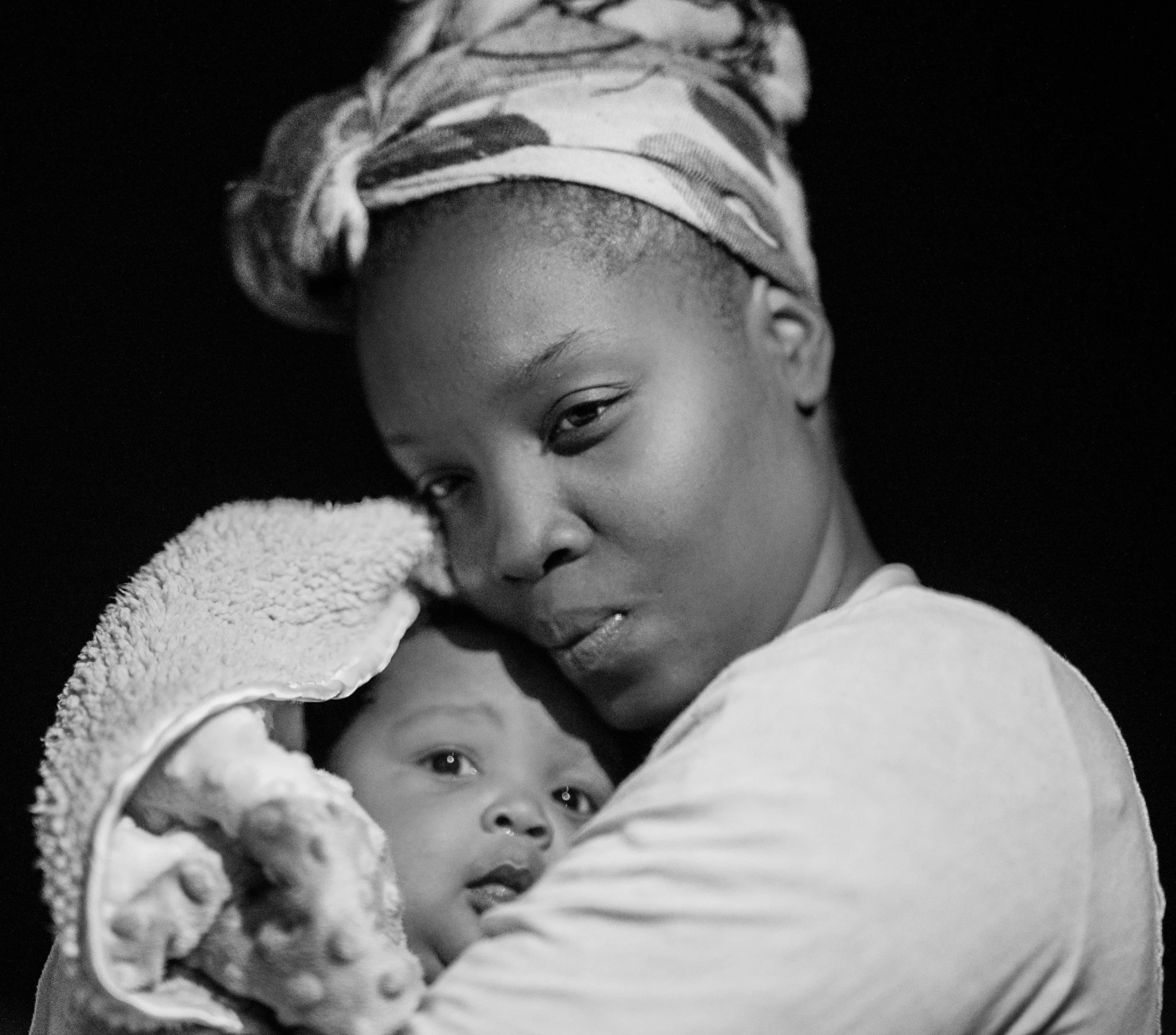
You don’t have to carry this alone.
When Faith Feels Heavy
Intrusive thoughts can quietly strain your relationship with God—and with yourself.
You may find yourself asking:
Why would God allow this?
Am I being tested?
Shouldn’t my faith be stronger than this?
Am I failing spiritually?
Even believing, “I deserve it. I should have been praying more.”
Here’s the reassurance you deserve:
Intrusive thoughts are a mental health challenge—not a spiritual deficiency, nor a punishment.
God does not condemn you for struggling.
Therapy is not a lack of faith, it is an act of stewardship over the mind and heart you’ve been given.
You don’t have to choose between faith and healing.
They are meant to exist together.
How Therapy Can Help
Therapy offers a calm, judgment-free space where your experiences are understood and your faith is respected.
In our work together, you’ll:
Understand What’s Happening
Learn why intrusive thoughts show up during pregnancy and postpartum—and most importantly what they do not mean. This understanding often brings relief and allows for the practice of compassion and grace.
Break the Fear Cycle
Develop tools to respond to thoughts without spiraling into fear, guilt, shame or reassurance-seeking behaviors that can keep anxiety going.
Rebuild Trust in Yourself
Reconnect with your identity as a loving, capable mother—separate from anxiety comparison, and negative self-talk.
Integrate Your Faith Gently
Explore faith as a source of comfort and grounding, rather than pressure or shame. Not because you should, but because this is where restoration and steadiness can grow.
Experience Relief
Feel more present with your baby, more confident in yourself, and more at peace. Relief here doesn’t mean the absence of struggle, it means having support as you move through a meaningful stage of life.
This work isn’t about fixing you.
It’s about supporting you through a vulnerable season.
Is This Therapy Right for You?
This may be a good fit if:
✔ You’re pregnant or postpartum
✔ You’re a Christian mother whose faith matters deeply
✔ You’re experiencing intrusive, unwanted thoughts
✔ The thoughts feel disturbing, morally alarming or overwhelming
✔ You’re carrying fear, guilt, or constant self-monitoring
✔ You want support that honors both mental health and faith
You are welcome here—without judgment, without shame.
A Gentle Reminder
You are not your thoughts.
You are a loving mother.
You are a woman of faith who cares deeply about doing this well.
These thoughts are not a reflection of your heart.
They are not a spiritual failure.
They are not a sign you are unfit to be a mother.
They are a treatable symptom of anxiety
during one of the most vulnerable seasons of your life.
Seeking support is wisdom.
It’s love—for you and your baby.
You Don’t Have to Carry This Alone
You’ve been carrying a heavy weight quietly—questioning yourself, your faith, your worth, your motherhood.
But you are not alone.
And you don’t have to suffer in silence.
You deserve to feel safe within yourself again.
FAQs
-
Your first session is a safe, judgment-free conversation. We’ll talk about what you’re experiencing, how long it’s been happening, and how it’s affecting your life. You will never be judged for the thoughts you’re having. We will collaborate to establish a plan of care that supports your needs.
-
Yes. You’ll learn why intrusive thoughts are so common during pregnancy and postpartum, what’s happening in the brain and nervous system, and just as importantly, what these thoughts do not mean about you. This understanding is not about fixing you or the experience. It is vital part of the therapy process and helps create space for other components that could be necessary in your journey.
-
Absolutely. Therapy focuses on building practical, effective strategies to respond to intrusive thoughts without getting stuck in fear, guilt, or reassurance-seeking cycles that can keep anxiety going. I value working collaboratively to identify what feels most supportive for you, and I encourage ongoing feedback about what’s working and what isn’t as we move through the process together.
-
Your faith is respected and honored. It will never be questioned, dismissed, or used to shame you. If you want, we can explore how your relationship with God can be a source of comfort and grounding rather than pressure or condemnation.
If you prefer not to incorporate faith into therapy, that choice is also fully respected. You are welcome here, and our work will remain centered on your needs, values, and goals.
-
Healing happens gradually, and the pace looks different for each mother. While many clients begin to notice meaningful shifts over time, therapy is not a linear or predictable process.
I cannot make promises about relief or timelines for healing. Progress is influenced by many factors, including the consistency of our work together, the support you have outside of therapy, and your readiness to move at a pace that feels appropriate for you.
What matters most is honoring your individual process. Therapy moves at your pace, and meaningful change often unfolds as confidence grows, trust in yourself is established, and peace becomes more accessible.