

Virtual Christian Therapy for Pregnancy, Postpartum, and Motherhood across Texas—
so fear doesn't lead your becoming, or your parenting.
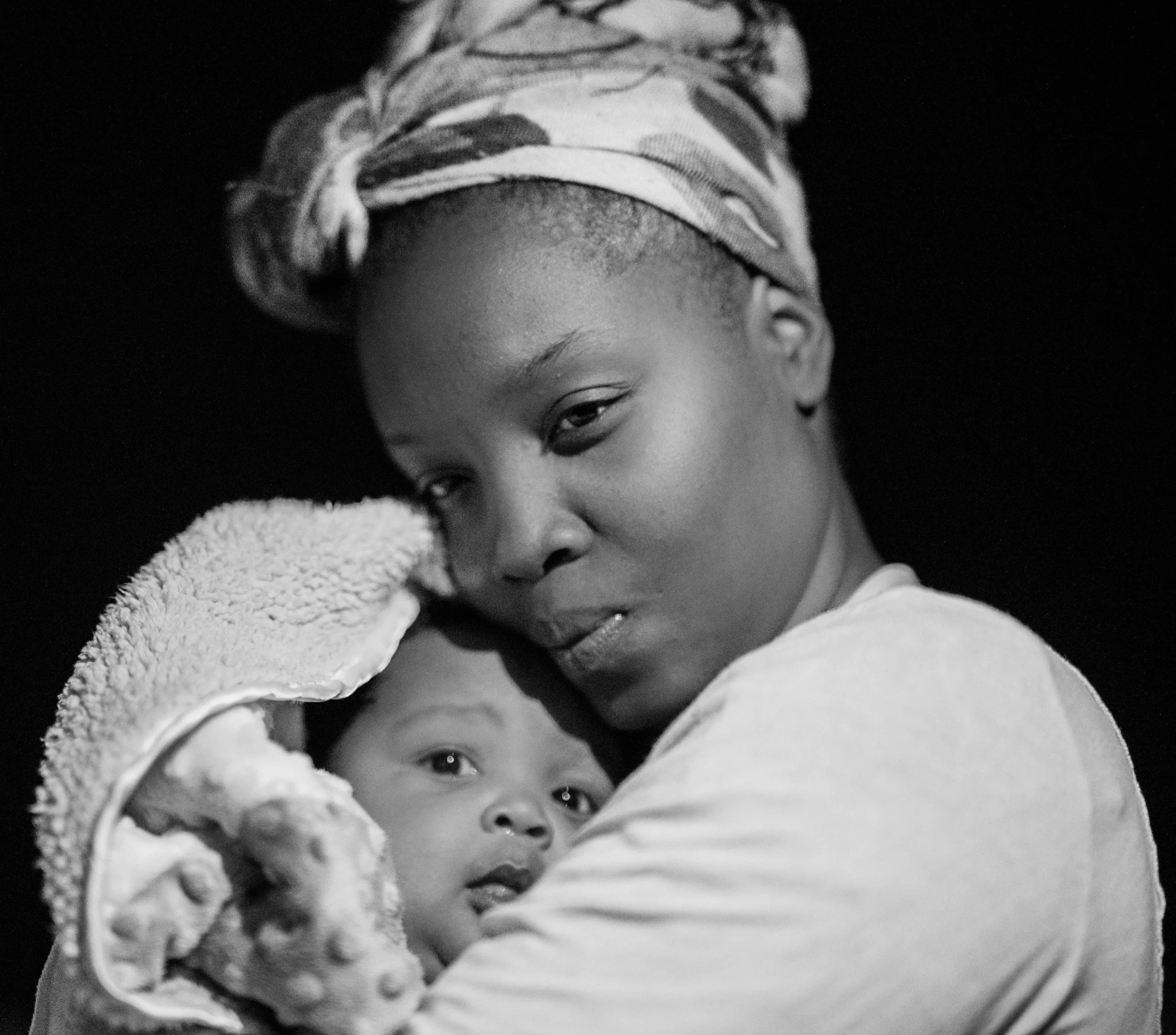
"What if I become the parent I never wanted to be?"
Motherhood Can Feel Overwhelming
Motherhood is one of life's most meaningful experiences, but it also has a way of bringing the wounds from your own upbringing to the surface, showing up in your reactions when you least expect them. The fear for the current reality and what the future can look like, may have you struggling with:
Fear of repeating the past: catching a tone, a reaction, or an impatience in yourself that feels like your mother's or father's, and wondering if you're already becoming them.
Guilt after ordinary hard moments: replaying a flash of anger or impatience and believing a “good mother” would never have reacted that way.
Constant vigilance: staying “on” at all times, afraid one missed cue or unmet need could cause lasting damage.
Loss of identity: losing sight of who you are underneath the fear of hurting your child, or the fear of becoming the parent you never wanted to be.
Distance from God: wanting a real relationship with Christ but experiencing Him as silent, distant, or disappointed, especially when you're struggling the most.
Shame around Christian motherhood: believing you should always be patient, joyful, and calm, and feeling like you’re failing when you’re not.

If you have experienced any of these, I hear you. Motherhood has a way of opening up old wounds, especially ones you did not think were there anymore, or at all. This is a season of life where your own upbringing replays, where your mind looks for reference on how to handle the challenges, and you find yourself feeling at a loss. Wondering if you will just damage your child, and if they will eventually need therapy too.
You keep watching your reactions, your emotions, and wonder: ‘God must be disappointed with me. I keep failing as a mother, and now I can't even show up as a good Christian mother. I just can't catch a break.’ The truth is that you are precisely at the right place. This is where you can begin to rewrite the narrative, but not alone.
Motherhood does not come with a guidebook, but therapy gives you the space, tools, and support to navigate this season, with your faith welcomed rather than set aside. Here, you can:
Understand where the fear comes from recognizing how your own upbringing shows up in your reactions, without living controlled by it.
Feel your emotions without shame—anger, sadness, and exhaustion become information you can understand, not proof of failing.
Mother with confidence instead of constant vigilance— trusting yourself instead of monitoring your every move, and remembering that caring for yourself is part of caring for your child
Strengthen your relationship with your partner — moving from disconnection to real teamwork, so you're not carrying this alone
Set boundaries without guilt—letting your child experience frustration or disappointment without believing you have caused damage.
Repair after hard moments — learning that connection is built through thousands of moments, not broken by one.
Bring your whole self to God — including your fear, anger, and grief, without needing to perform a peace you don't feel.
This is not about becoming a perfect mother. It's about learning to offer safety, connection, and repair without carrying the weight of controlling every outcome — and doing it with support, not alone.
What Therapy Makes Possible

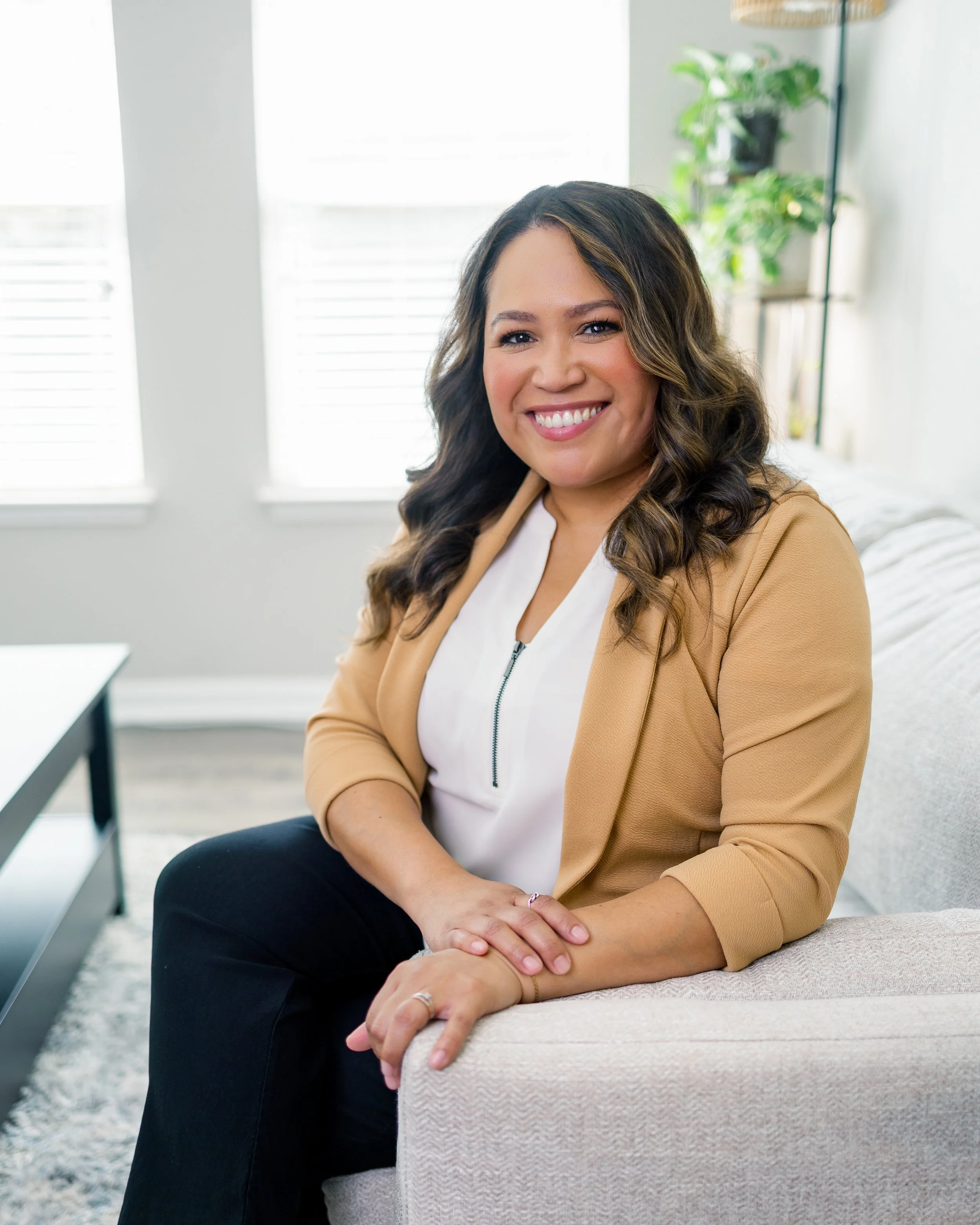
Hi… I am Esmeralda Cardenas, LPC, PMH-C
As a Licensed Professional Counselor and Certified Perinatal Mental Health Therapist who has walked alongside mothers of all backgrounds, what keeps me in this work is simple: my own two sons.
I grew up Christian, but I did not know Christ. When I became a mother, I carried the weight of shame and guilt for not being a “good enough Christian mom.” That weight set the postpartum anxiety and depression down a path of deeper darkness — intrusive thoughts, constant disappointment, fear of damaging the children God entrusted me with.
My own childhood wounds were showing up in how I mothered, and I felt completely lost. That's what lit the fire under me to do the work — to repair, to reparent myself, and to build a new life for my children—one I had no blueprint for. That is where I truly discovered who God was: in the hard, unglamorous work of rewriting my story with Christ beside me. It was never easy. It has always been worth it. That is why I do this work.
In my work with mothers, therapy isn't about sitting in circles, rehashing the same conversations with no direction. It's about noticing the patterns your past built, understanding where they came from, learning new ways to respond — all practiced within your real life, your real faith, and the specific fears you carry.
I've walked alongside mothers who rediscover their own voice after years of silencing it, who learn to receive support instead of carrying everything alone, and who begin to trust themselves again, both as mothers and as women who exist outside of motherhood too. I celebrate the freedom you find, the healing you discover, and the way you soar in parenthood — even through the wounds we carry.
Our Therapy Services in Texas
However this shows up for you, support is here— through a faith-integrated lens.
Postpartum Depression Therapy

Finding your footing again and moving from surviving to truly thriving in parenthood.

Anxiety
Therapy
Learn to quiet the overwhelm, regulate emotions, and build confidence in daily life.

Couples
Counseling
Break cycles of disconnection and create a rhythm of intimacy, trust, and teamwork.

Maternal & Postpartum Rage Therapy
Understand the anger you didn't expect, without the shame that usually follows it.
FAQ’s
-
Therapy isn't just for crisis — it can be a check-in, a moment to recalibrate and care for yourself. If you've been
feeling persistently sad, anxious, overwhelmed, or unlike yourself at any point during pregnancy or in the years
that follow, you don't have to push through it alone. Trouble sleeping, connecting with your baby, or managing emotions like guilt or anger may be signs it's time for extra support. So is catching yourself sounding like your own mother or father in a moment you didn't expect, or wondering whether you're already damaging your child.
Therapy can help you feel more grounded, understood, and supported as a parent.
-
Yes — babies are absolutely welcome in our virtual sessions. As a therapist who specializes in parental mental health, creating space for the real, raw parts of parenting, including your baby being right there with you, is something I truly value. I know how challenging it can be to find child care, especially in those early weeks and months. I would always rather you show up, baby in tow, than skip the support you need.
As little ones grow into more active toddlers, sessions can sometimes feel a bit harder to focus, so I encourage a quieter space when you can—but if it happens, it happens, and we'll adjust.
-
Intrusive thoughts are so common in the postpartum period — up to 70–90% of new moms experience them. They can feel disturbing or shameful, but having these thoughts doesn't mean you want to act on them, that something is wrong with you, or that it reflects your faith. They're often a sign of anxiety, not intention, and they don't mean you're broken.
As a certified perinatal therapist, and a mom who's had these thoughts too, I want you to know this is a safe, judgment-free space. My job isn't to report you, it's to support you. Together, we'll work to reduce the intensity of those thoughts and help you feel more in control.
You don't have to carry this alone.
-
It really depends on a couple of factors. Some clients start to feel better after just a few sessions, while others benefit from longer-term support. There’s no right or wrong timeline—as long as our time together is focused on what matters most to you and the goals you want to achieve.
How long you stay in therapy also depends on a few important things: the connection you feel with your therapist, the goals you're working toward, and how much effort you’re able and willing to put into the process. Therapy only works as hard as you do—and that part is in your hands.
I regularly check in with you about how things are going—what’s working, what’s not, how you’re feeling in our work together, and whether we’re aligned. Therapy can be challenging at times, but it should also feel supportive and meaningful.
-
Yes — all sessions are held virtually through secure, HIPAA-compliant platforms. Research consistently shows virtual therapy is just as effective as in-person therapy for anxiety, depression, postpartum mood disorders, and relationship issues, especially for parents in the perinatal and postpartum seasons who need accessible, flexible care.
I also want you to know—I don’t just “sit back” during sessions. I’m an engaged, present, and active therapist, and I aim to make our virtual sessions feel just as connected and natural as if we were sitting across from each other in the same room. We’ll keep the conversation flowing and grounded in what matters most to you.
-
I completely understand that parenting can be unpredictable—sick kids, skipped naps, or last-minute changes happen. As a parent myself, I hold a deep respect for the needs of your family because I also prioritize mine. That value is at the heart of how I run my practice.
At the same time, I also have to honor the time I’ve reserved for you and the behind-the-scenes expenses it takes to sustain my small business. That’s why I kindly ask for at least 24 hours’ notice if you need to cancel or reschedule an appointment.
That said, I always invite honest communication. If something unexpected comes up, please reach out. I offer a 24-hour grace period to respond before applying any late cancellation or no-show fee. My goal is never to penalize—it’s to collaborate and find a rhythm that respects both your needs and the space created for your care.
-
Individual sessions are $175. Couples sessions are $190. I currently accept BCBS, Cigna, Aetna, Lyra (employer benefit) and United Healthcare.
It’s also important to know that you have the right to request an exception and opt out of using your insurance benefits. Some clients choose this route to maintain greater privacy and control over their care. If you'd like to learn more about how this works, I’m happy to walk you through it.
-
It depends on your specific plan. Most insurance companies only cover couples therapy if it’s considered medically necessary and if one partner has a mental health diagnosis. That said, many plans don’t cover couples sessions at all—or they may require the focus to be on treating one person’s symptoms, rather than the relationship as a whole.
Because of this, many couples choose to pay out of pocket so we can focus on both of you and the relationship without limitations. I’m happy to provide a superbill if you'd like to try getting reimbursed through out-of-network benefits. Detailed receipts can also be provided for HSA accounts.
If you're unsure what your plan covers, it’s a good idea to call your insurance company and ask about coverage for CPT code 90847 (family/couples therapy with patient present) or 90846 (without patient).
-
PMH-C stands for Perinatal Mental Health Certified and it is a credential reflecting specialized training in the emotional health of pregnancy, postpartum, and early parenthood. It means I focus specifically on what moms move through in these seasons rather than treating it as general therapy. Certification is obtained after completing training and a minimum of two years of experience in the field, leading to a certification exam. Esmeralda Cardenas, specializes in maternal mental health and holds the Perinatal Mental Health Certification since 2020.
-
It depends entirely on you. During intake, I ask two questions about your faith and how much you'd like it included in our work together, and from there, I follow your lead. Some clients find it meaningful to pray together in session. Others prefer using Biblical references as we work through what you're facing. And some simply
want me to understand that faith matters to them, without it being a continuous part of every conversation. If you decide faith isn't something you want included at all, that's completely fine too — my therapeutic approach doesn't change either way. What I won't do is correct, convert, or preach. My role is to support what's already strengthening your faith and gently work through anything that may be getting in the way of it, in whatever way matters most to you. We figure this out together, and it can shift as we go.
-
No, that is precisely why this became important to me. Prayer matters to me deeply, and it may be part of our work together if that's meaningful to you — but it is never a substitute for the clinical work of understanding your patterns, healing your wounds, and learning new ways to respond. I don't believe struggling with anxiety, rage, intrusive thoughts, or disconnection means you're lacking faith. I lived that belief myself, and it only deepened my shame, it didn't heal it. What actually changed things for me was doing the hard, unglamorous work of understanding my past and learning to respond differently, with God present in that process. That's the kind of support I offer you.
-
Yes. My door is open to every mother, regardless of background or belief, as long as you feel comfortable working with me. My approach to supporting mothers doesn't change between Christian and non-Christian clients —the only difference is whether we integrate your faith into our work together, and that's always led by you, not assumed on my part. If it turns out I'm not the right fit for what you need, I'll gladly help you find someone who is — collaborating to make sure you get the support you deserve matters more to me than being the one to provide it.
-
Willow Path Collective offers Virtual Therapy Sessions across the state of Texas. No in-person sessions are available at this time.
Book your first video appointment here: https://esmeralda-cardenas.clientsecure.me/sign-in